Forbidden Fruits (2026)
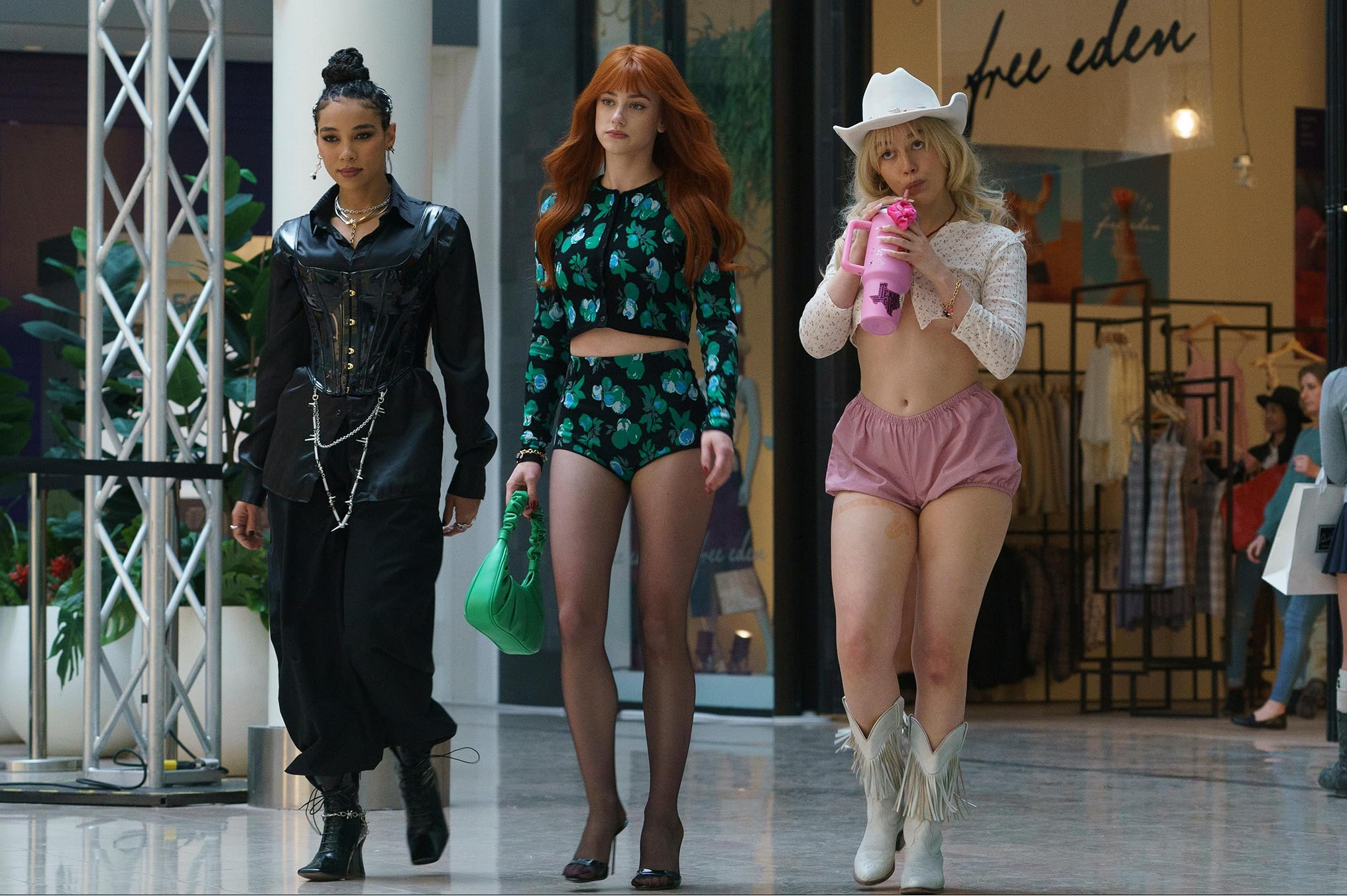
How much can you like a movie just because you really want to like a movie? I’ve been chomping at the bit to watch Forbidden Fruits since I first heard rumblings of its premiere at SXSW: a witchy, second-coming of Jennifer’s Body, horror film about a group of girls (all named after fruit) who work at a clothing store in the mall. If you know anything about me or my tastes you’ll know this premise is essentially genetically engineered to be up my alley.
And, ironically, maybe that’s what ended up being my biggest problem with the film. Director Meredith Alloway and co-writer Lily Houghton have basically created the pitch-perfect representation of this kind of campy, cult-classic teen girl horror flick. The clothes are perfect. The music is perfect. The tactile materialism of the mall setting is perfect. The dialogue is perfect and impossibly funny. The performances are blindingly perfect (Lili Reinhart especially).
But perfectionism can also sometimes come across as off-putting. The film is too self aware of how the world is watching it, in the same way its characters are. The girls, the titular fruits, so carefully construct themselves in the eyes of others they become just vibes, puffs of gaseous air with no ground underneath. Forbidden Fruits has a similar quality: so eager to please its target audience at every second it hand waves away the boring bits. But ultimately it is the boring bits that hold a story together – the plot mechanics to get from point A to point B, actual substantive character motivations and backstory, a resolution that makes sense – these are all needed to counterbalance the nonstop indulgent cleverness. The lettuce in a burger that makes you feel like at least you’re sort of eating a vegetable.
It’s kind of a testament to the skill behind this film that it hangs together at all without these elements. I like the filmmakers a lot – I get the sense that they’re thinking about the same kind of things I’m thinking about in terms of mainstream feminism and consumer culture. They seem funny and insanely talented. I say this all because I too am overly self-aware and self-conscious, I don’t want to come across as a hater. More than anything I’m just wrestling with my own tepid reaction when in theory this movie should be perfect for me.
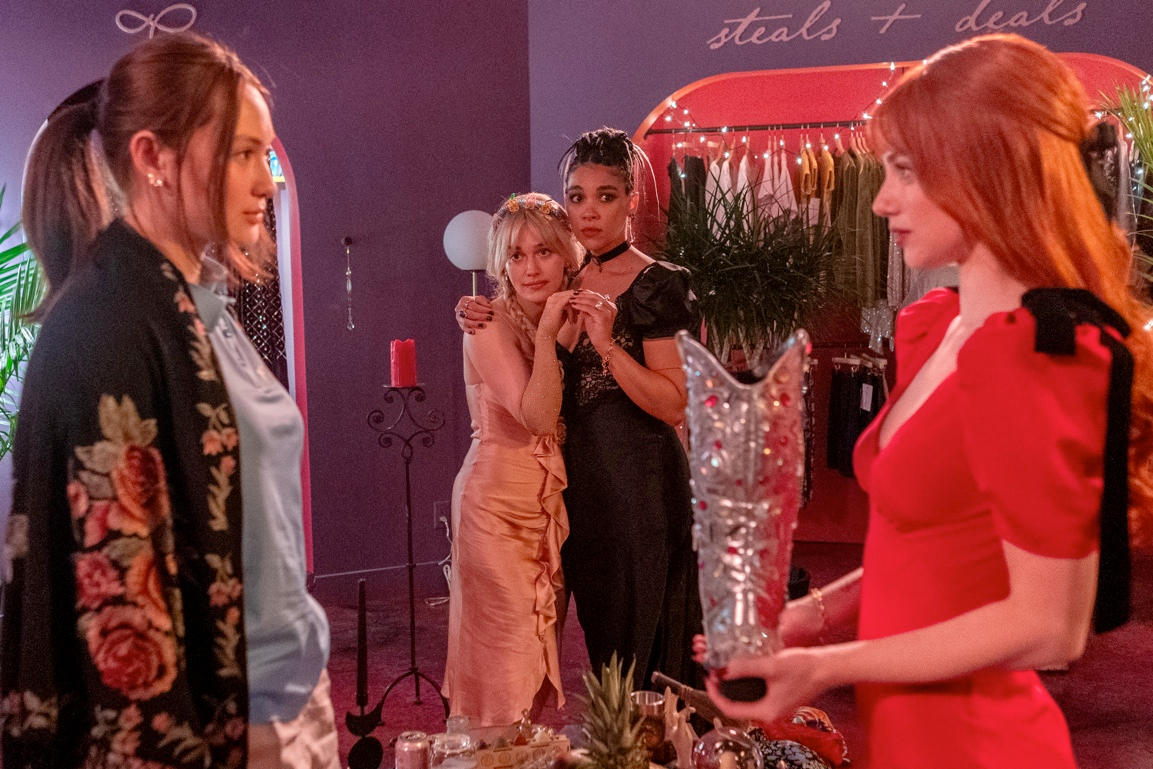
Forbidden Fruits operates in a sort of liminal playground between its creators and audience. The film introduces concepts and ideas it knows viewers will have fun with, and in return the audiences add to the work through their engagement: picking out the best parts, building out a fandom and meta-narrative about the film that helps it find a place in our culture. Alloway and Houghton know this game well: I get the sense they’ve played it a lot, on both sides of the equation. They are smart and know exactly what type of film they’re making, which in some ways is Forbidden Fruits’ original sin: if it’s so good at being what it is – why isn’t it a better movie?
Each month I highlight an organization that’s important to me. I encourage people to check out the cool work they do, and also to find causes within their community to support as well.
Today I’m highlighting the Immigrant Defense Project.