Frankenstein (2025)
Recently I watched Satan’s Rhapsody (1917), the first silent film I’d seen in a while, and I was struck by how the lack of dialogue forced ambiguity into the story. The medium prevents any complex plot machinations, instead relying on atmosphere and movement to drive the narrative and spark emotion. It can’t tell you what it’s about, you just have to feel what it’s about. Guillermo del Toro’s Frankenstein (2025) works best when it’s operating on that register.
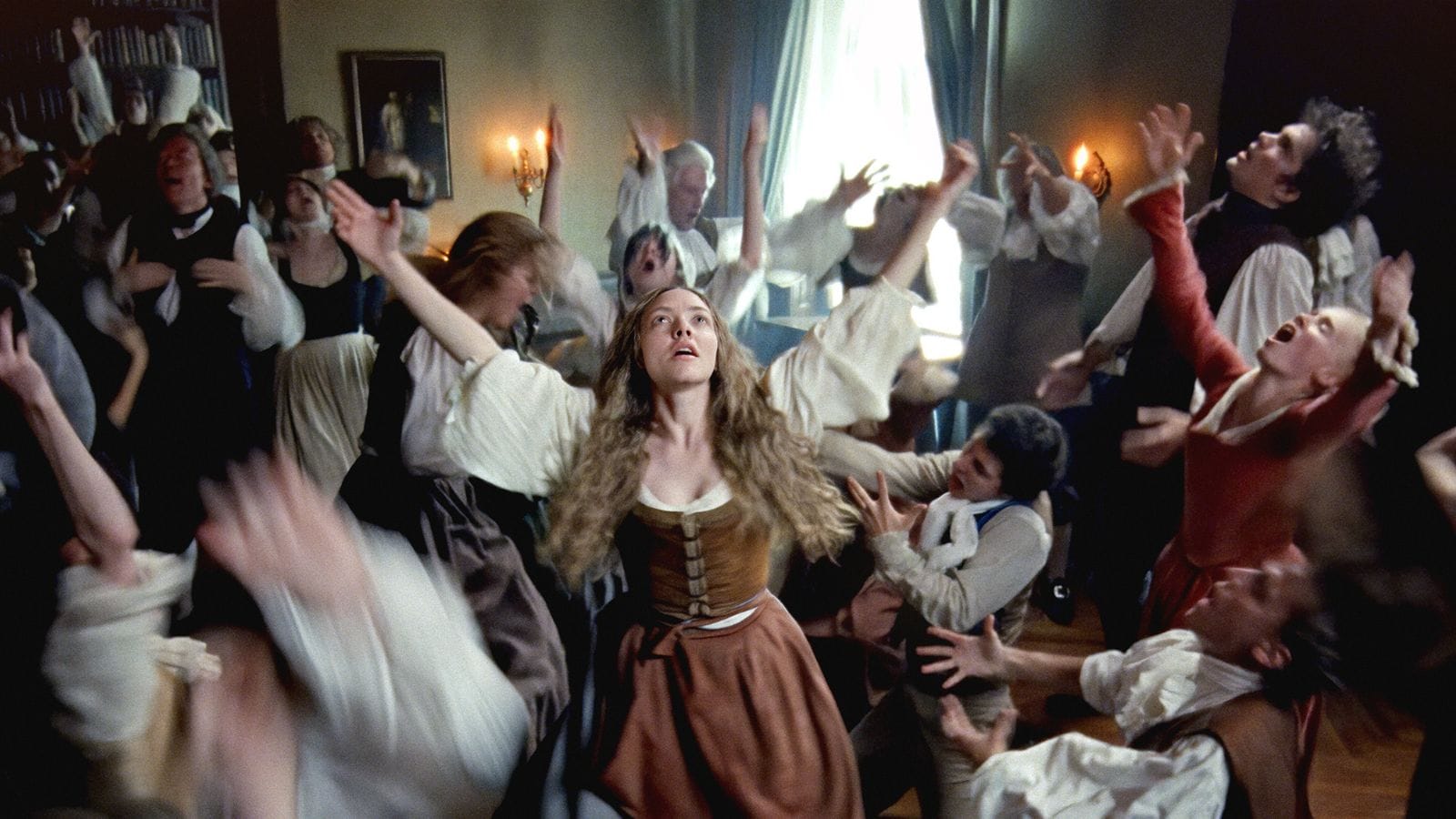
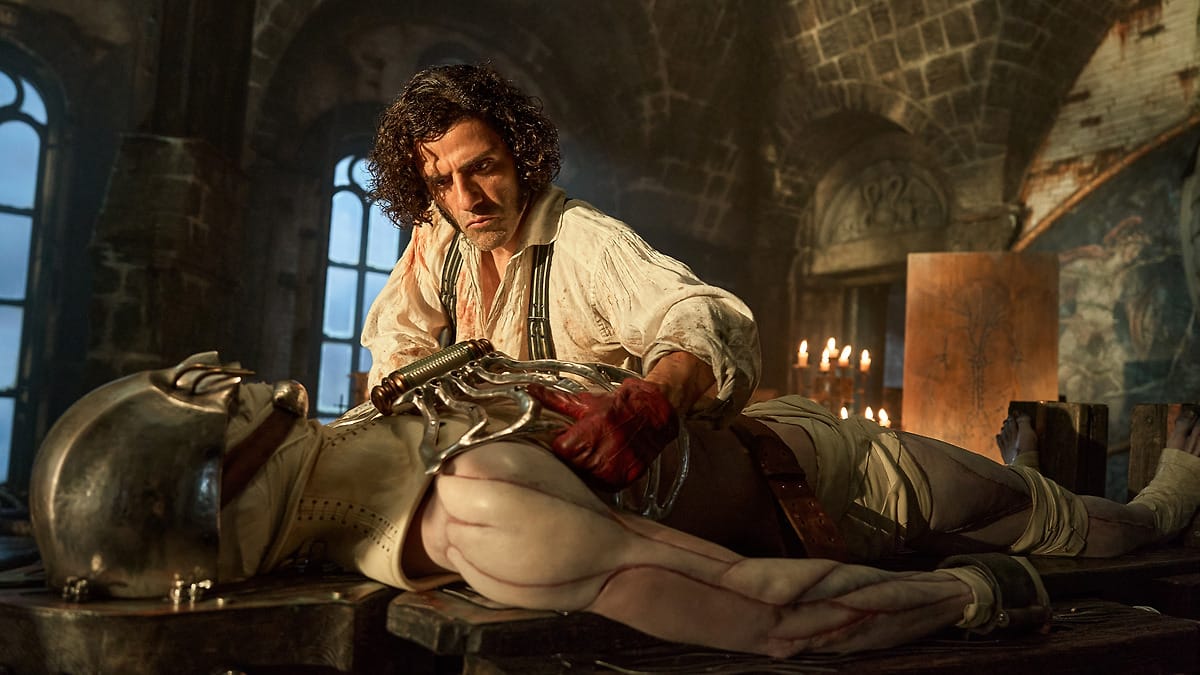
There are moments where Frankenstein becomes a sort of gothic ballet. Victor (Oscar Isaac) prancing around the gore of his cadavers, the Creature (Jacob Elordi) tossing his attackers across the movie stage – their limbs twisted at impossible angles, Mia Goth’s insect-like precise movements as Elizabeth. The lush sets and costumes combine with visceral, bone-cracking sound design and an overwhelming score to create something that feels haunting and ethereal.
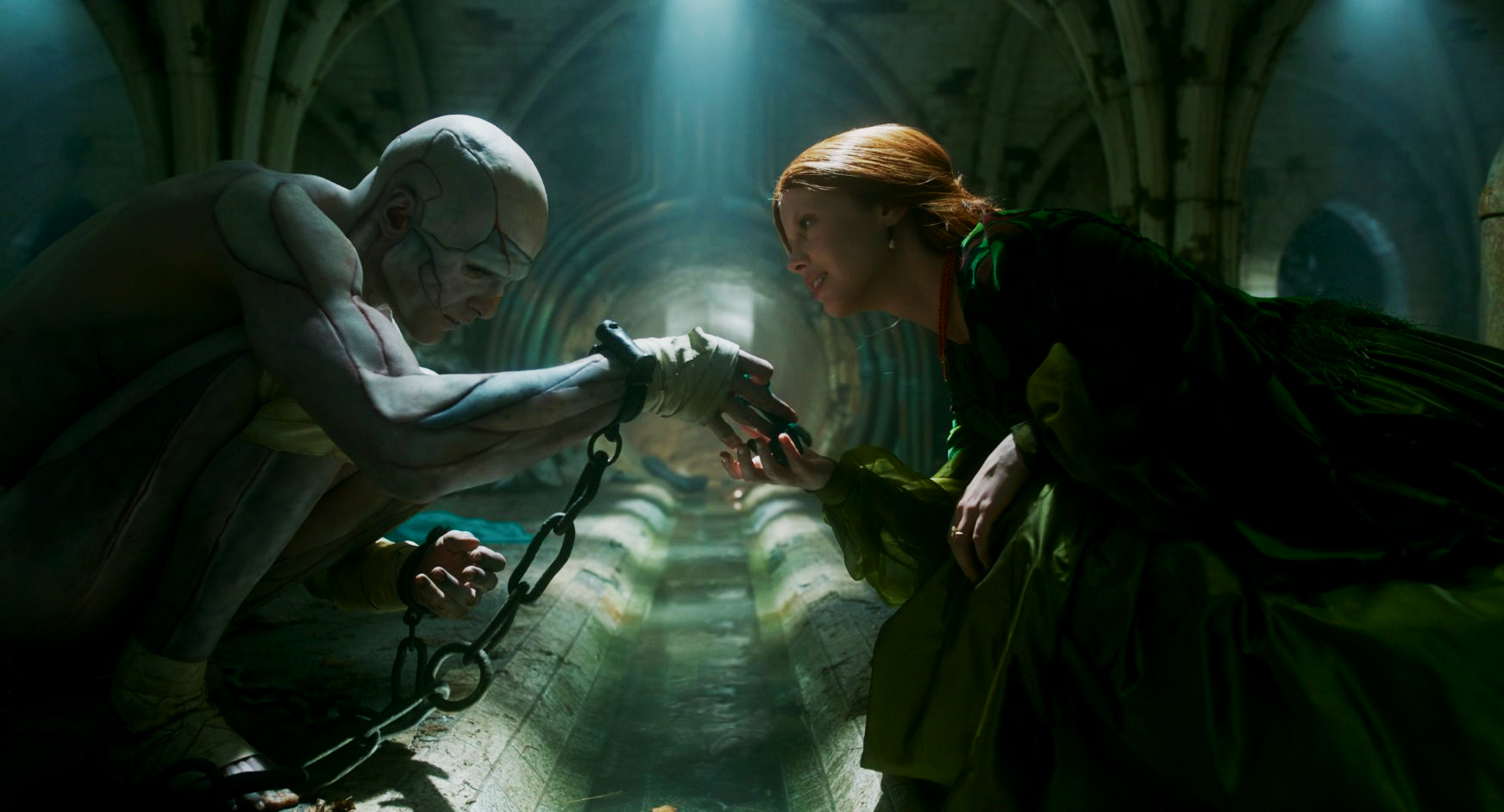
Then all these words start pouring in. Even when the story deviates from the source material, it feels like it’s trying to evoke the feeling of reading a classic novel. There’s two different voice overs. There’s long monologues. The story is stuffed to the brim with asides and literary references and narrative detours. And the whole time I kept wishing the film would just play to its strengths and indulge in the bombastic spectacle: to leave things unsaid in favor of evoking the base feelings of love and rage that underpin this story.
Guillermo del Toro is a natural fit to adapt Mary Shelley’s 1818 novel, with many of his previous works sharing a fascination with the humanity of monsters and the monstrosity of humans. Exploring this duality has occupied many stories, some of them re-interpretations of this exact text, because it feels both personal and universal. But to capture that feeling, the film has to let the audience breathe, to find space within the opulent manors and oversized ballgowns to bring themselves into the story.
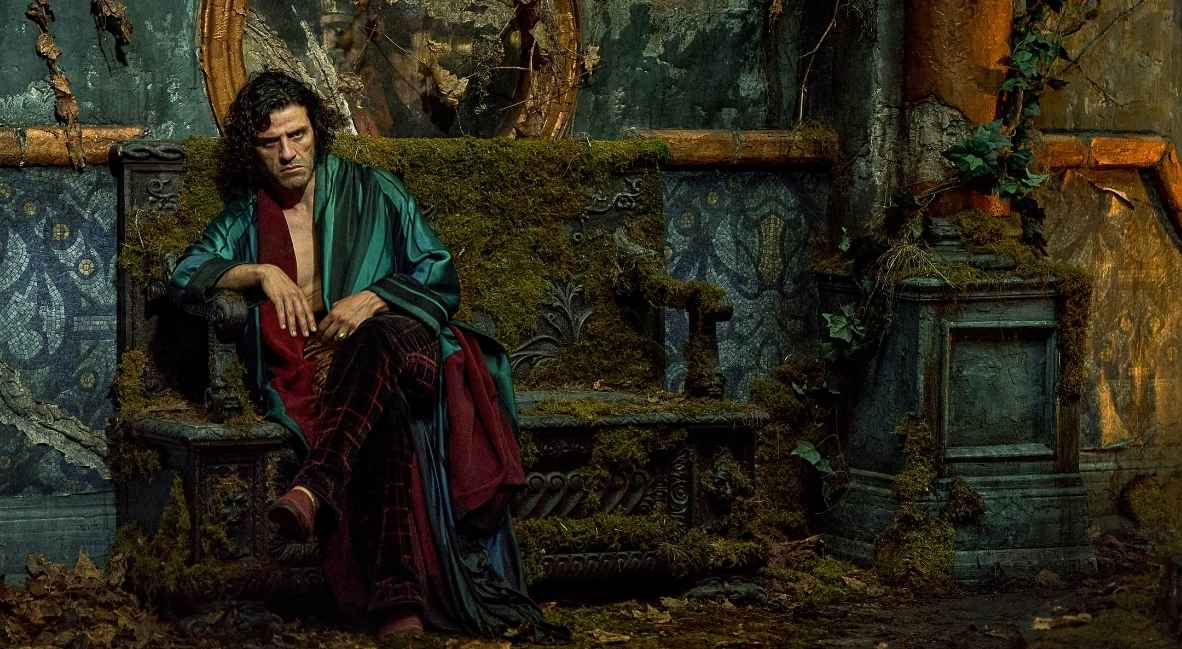
In its more abstract moments Frankenstein is able to achieve a larger than life feeling: allowing audiences to tap into the themes of the story that connects us across time. Those were the moments that gave me the same breath of fresh air Satan’s Rhapsody did: what a relief to watch something that cannot rely on words to communicate. To be able to bask in the simplicity of melodrama rather than get caught up in the mechanics of how to get from specific plot point A to specific plot point B to convey specific message C. Which is why it’s such a rude awakening when the very same movie gets caught in that trap. If only I could dismember the parts of the film I disliked and re-fashion it into something to my own liking – but Frankenstein reminds me only monsters play god.
Each month I highlight an organization that’s important to me. I encourage people to check out the cool work they do, and also to find causes within their community to support as well.
Today I’m shouting out Black Public Media.