One Battle After Another (2025)
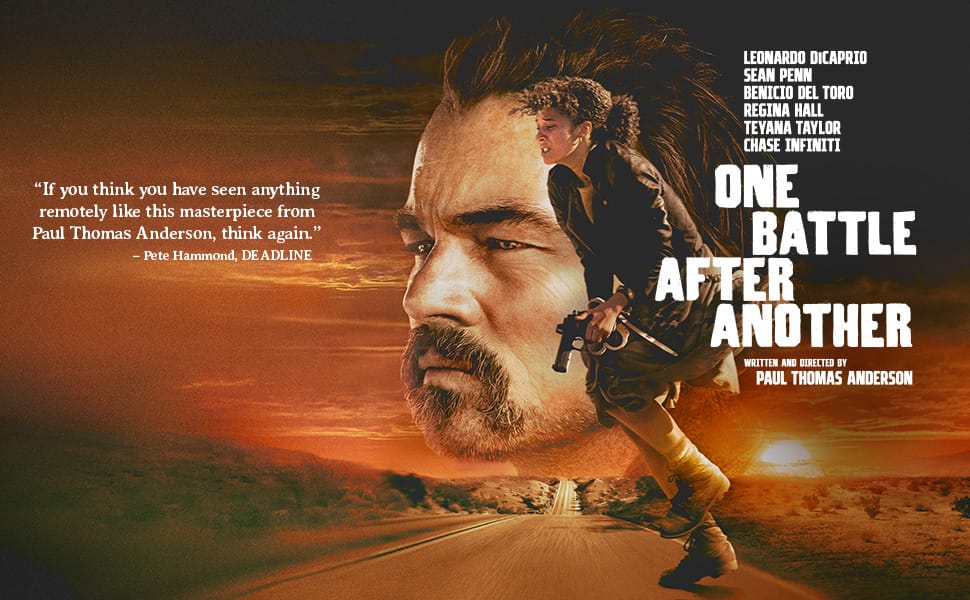
I make it no secret that I love melodrama and sentimentality. While I can appreciate the merits of a quirky indie comedy, more interested in observing its characters like specimens under a microscope, my favorite films are always the ones that lean into big feelings: life, love and death, an overwhelming score, the full spectacle of the human experience. More Frodo and Sam tearfully gripping each other as the world burns around them, less Juno holding a hamburger phone.
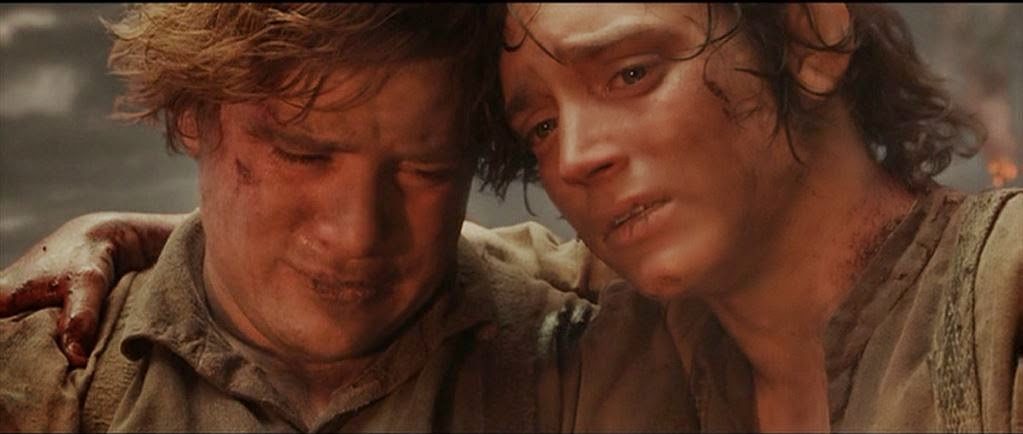
Which is probably my chief issue with Paul Thomas Anderson’s One Battle After Another. A movie I think is supremely well crafted and probably exactly what Anderson intended, yet one that does not stick with me at all.
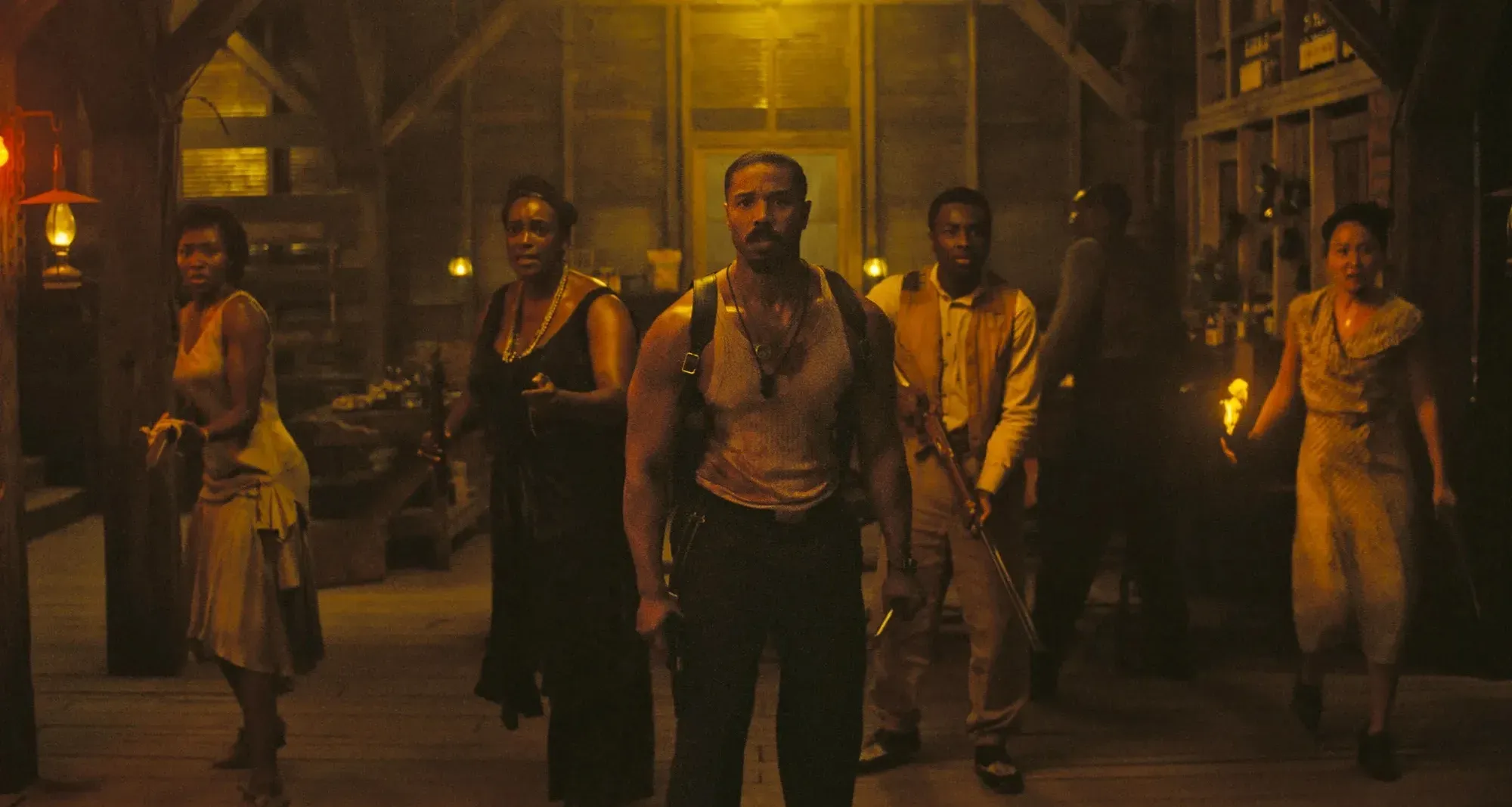
Despite a classic, emotionally powered premise of a parent and child separated, fighting to reunite, the film seems to take every opportunity to keep the audience at bay. To feel at a remove from the characters struggle, to see it as all just existing within an impassive void. The cinematography in particular adds to this – often framing characters in frantic motion while the landscape stays uncaring and still. Bob (Leonardo DiCaprio) yelling into a payphone against a hard concrete wall, cars bobbing up and down an endless set of hills. Everyone is just stumbling from (sorry) one battle after another against the backdrop of an uncaring universe.
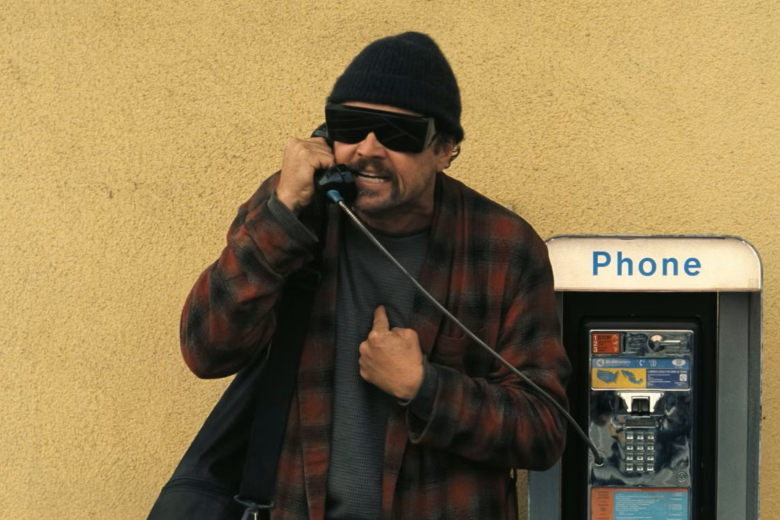
Of course there are breaks in the stoic facade the movie constructs. I think Chase Infiniti in particular brings a vulnerable gravitas to her role as the daughter Willa, and you see at the outskirts of the story examples of real human connection in the form of Sensei Sergio (Benicio del Toro)’s network of friends and allies. But overall the film presents a cold marble exterior, one that I kept desperately trying to chip my way into and then in the end felt a little silly for trying.
So while I think the general affect and tone of the film is intentional and maybe even intellectually sound – probably some people really resonated with a story about futility and the value of trying anyway – it ultimately felt at odds with not just my own personal taste but with my own philosophical ideas of revolution. There may be no guarantee of victory or a happy ending but in the end fighting against oppression has to be animated by a deep, messy, entangled love for other people. Frodo saves Middle Earth because Sam loves him, however imperfectly. That story exists between Bob and Willa, but I had a hard time finding it.
Each month I highlight an organization that’s important to me. I encourage people to check out the cool work they do, and also to find causes within their community to support as well.
Today I’m linking the Community Action Center in Minneapolis