Pluribus, Season 1

Watching the first episode of Pluribus is like laying down to get a professional massage after years of clumsy backrubs. One scene in and you’re like what a fucking relief to finally be in good hands again.

Like, not to be a snob but I came of age during the golden age of television: Buffy the Vampire Slayer was my introduction to the medium, I took a college class about Mad Men, a big chunk of my 20s was dedicated to watching Breaking Bad for the first time with my partner. I watched as this era calcified into Peak TV: the influx of streaming service original shows that imitated the hallmarks of prestige television (higher budgets, cinematic qualities, serialized plots) but without the same sense of artistic purpose. And it seems like we’ve been stuck in this sludge ever since.
Enter Pluribus: a newly released science fiction series on Apple TV from Breaking Bad creator Vince Gilligan, reuniting with Better Call Saul star Rhea Seehorn about a grumpy romantasy author put in the unlikely position of having to save the world. It feels like a return to form for television. Not just because Gilligan and Seehorn are golden age television veterans (though I’m sure it helps), but because it’s a show that clearly understands the strengths of the medium.
Television shows are uniquely able to show how characters interact with their environment over long periods of time. You get to watch Don Draper over literal years go in circles, trying and failing to escape his demons. Yes, sometimes there’s moments of catharsis or shifts in setting, but any change is hard won and incremental. Maybe I’m making it sound tedious, but it’s also beautiful because it evokes how it really feels to try and grow or evolve as a person (how are those new year’s resolutions going, by the way?).
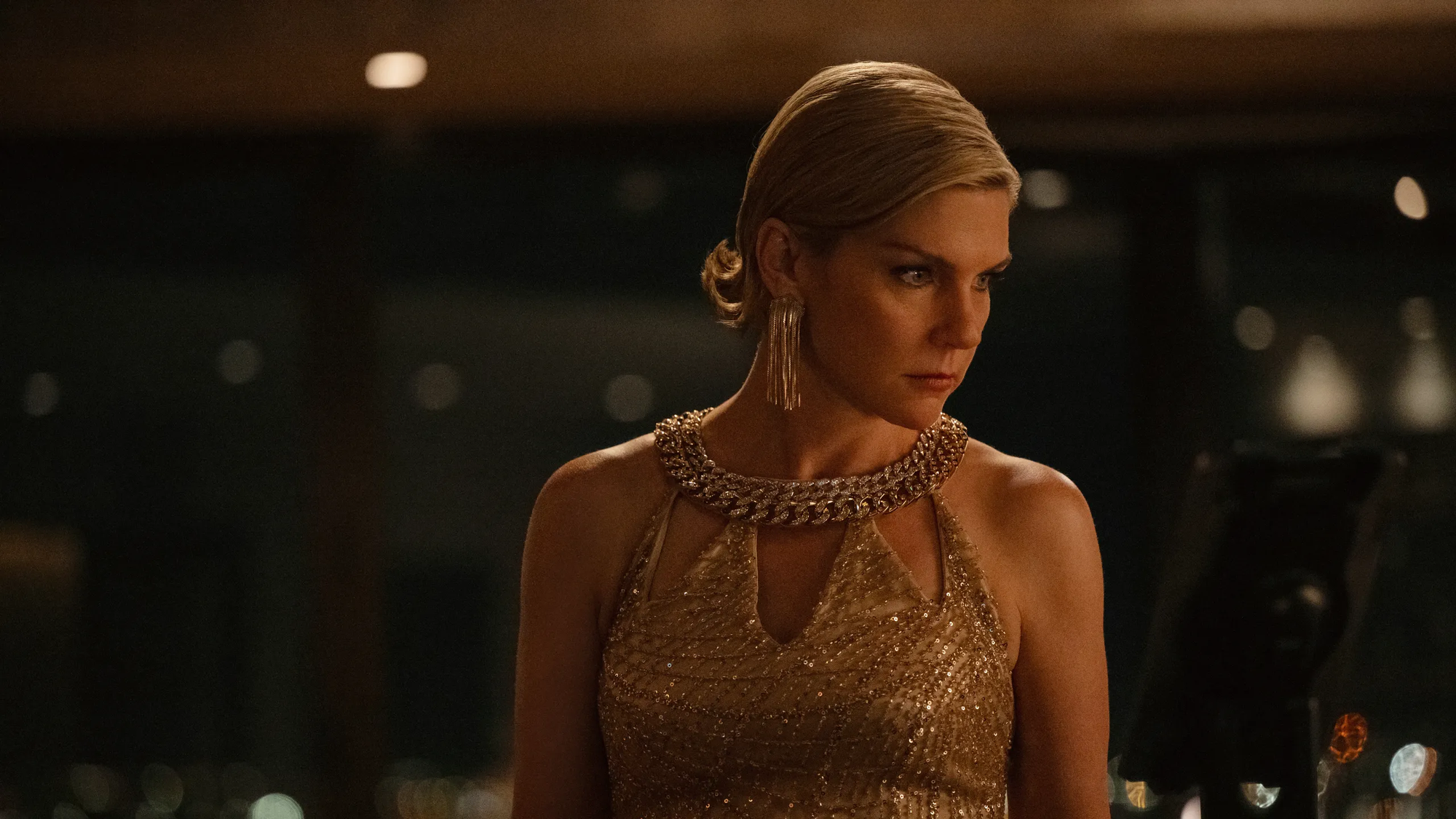
Pluribus avoids being boring by having a truly fascinating premise – one so compelling I’m choosing not to fully spoil it here – but it also doesn't over rely on the mystery box elements of its world to propel the narrative forward. OK, there’s one episode that indulges in the classic cut to credits right after a scream and before a big reveal. But the engine of the show is built equally on the organic way the characters interact with the sci-fi world they find themselves in.
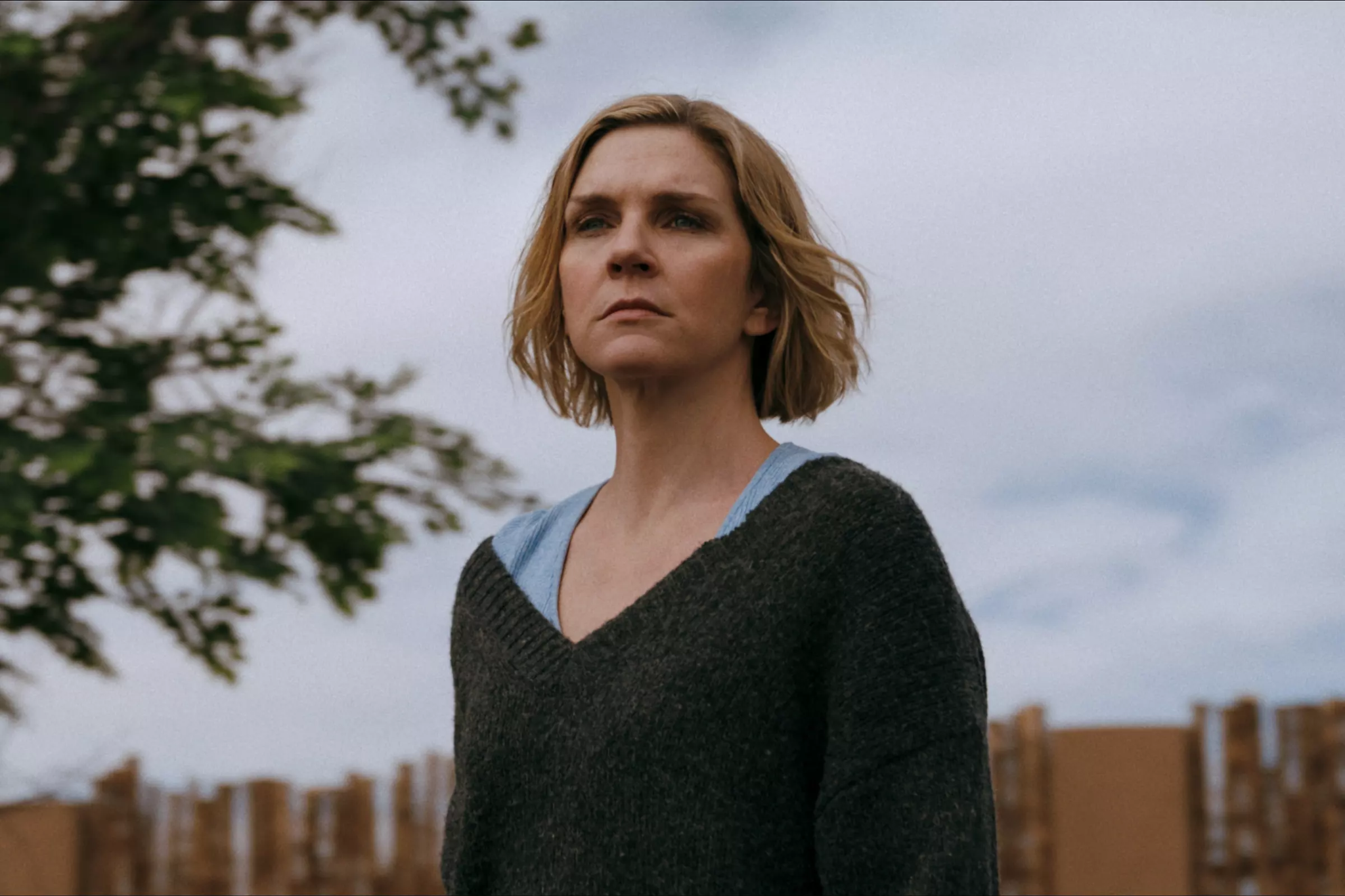
Protagonist Carol (Seehorn) might not be the most efficient or smart character as she tries to tackle the problems presented to her, but we get to see how her traits (her alcoholism, her loner tendencies, her past traumas) inform her actions in a way that feels very natural. Letting her flounder reveals the nuances of her personality, and the tantalizing unanswered questions at the edges of the story keep you from being too frustrated at her repetitive inaction as you think about how you would go about saving the world.
I hadn’t realized how much I had been missing a show like Pluribus. Last year I slogged through shows, even ones I thought I liked, because they lacked that spark of energy that happens when you strike an interesting and imperfect character against a situation uniquely designed to showcase their strengths and flaws. Many shows try to trick you into binging through them: they put cliffhanger endings, they introduce half-baked mysteries that get unsatisfactorily answered an episode and a half later, they imitate character growth through clunky monologues – but it doesn’t hold a candle to the real thing. Pluribus is the real thing.
Each month I highlight an organization that’s important to me. I encourage people to check out the cool work they do, and also to find causes within their community to support as well.
Today I’m linking to a list of fundraisers for the families affected by the five-alarm fire in my neighborhood last week.